Libertarianism

Introduction
Libertarianism upholds individual liberty as the supreme political value. The state has no legitimate authority to coerce peaceful people. What a person owns — their life, their labor, their property — is theirs by right, not by government permission.
This is a curated collection of books, audio, podcasts, and other resources for anyone who wants to understand the philosophy and economics of freedom.
Principles
- Self-Ownership — You own yourself. Your body, your mind, your labor. No person or institution may claim sovereignty over you without your consent.
- Non-Aggression Principle — The initiation of force or coercion against another person is always wrong. Defense is permissible; aggression is not.
- Private Property — Legitimately acquired property is an extension of the self. Appropriation through labor, voluntary trade, and gift are the only valid titles.
- Voluntary Exchange — All trade and cooperation must be by mutual consent. Coerced transactions destroy value and violate rights.
- Individual Liberty — Each person is free to live as they choose, provided they do not initiate force against others. The burden of proof lies with those who would restrict freedom, not with those who exercise it.
Concepts & Schools
Classical Liberalism originated with Locke, Smith, and Mill. It favors limited government, civil liberties, and free markets. The modern libertarian movement grew directly from this tradition.
Austrian Economics is the school most closely associated with libertarian thought. Founded by Carl Menger, developed by Ludwig von Mises and Friedrich Hayek. Its method is praxeology — the deductive study of human action. It rejects mathematical modeling in favor of logical inference from first principles.
Anarcho-Capitalism holds that the state itself is the primary instrument of coercion. Murray Rothbard and Hans-Hermann Hoppe argue that all legitimate state functions — courts, police, defense — can be provided voluntarily through the market. No involuntary taxation, no monopoly on force.
Minarchism agrees that freedom requires radical limits on government, but retains a minimal state for courts, police, and national defense. Robert Nozick’s Anarchy, State, and Utopia is the philosophical foundation.
Objectivism is Ayn Rand’s philosophy of rational self-interest. Individual rights are grounded in reason, not tradition. Laissez-faire capitalism is the only system consistent with human nature. Though distinct from libertarianism, it shares its opposition to collectivism and statism.
Roadmap
New to these ideas? Follow the path. Each step deepens the last.
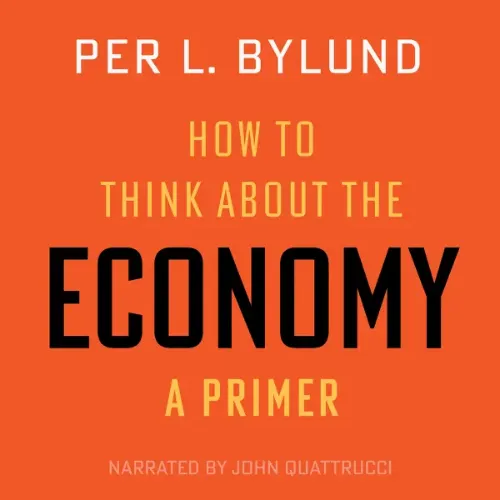
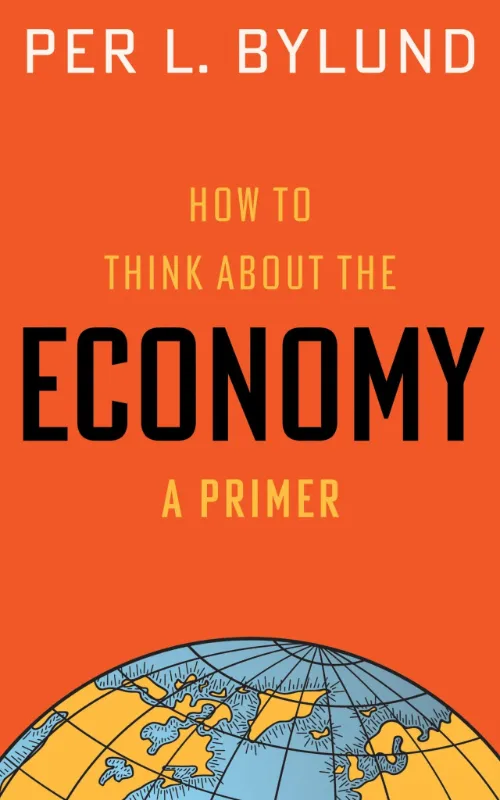
- 01.How to Think about the EconomyPer BylundAudiobookEN
A short, crystal-clear primer on core Austrian ideas like subjective value, opportunity cost, and spontaneous order that equips you with the mental models needed for the rest.
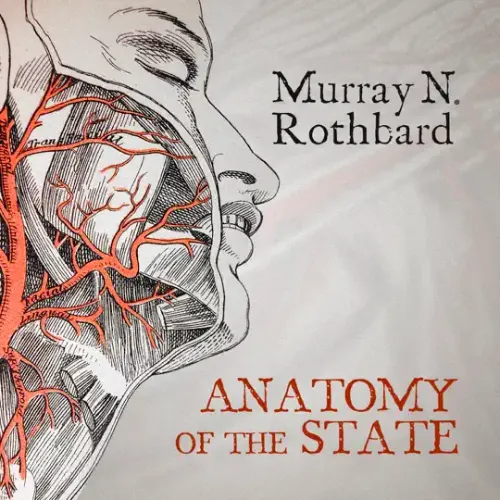
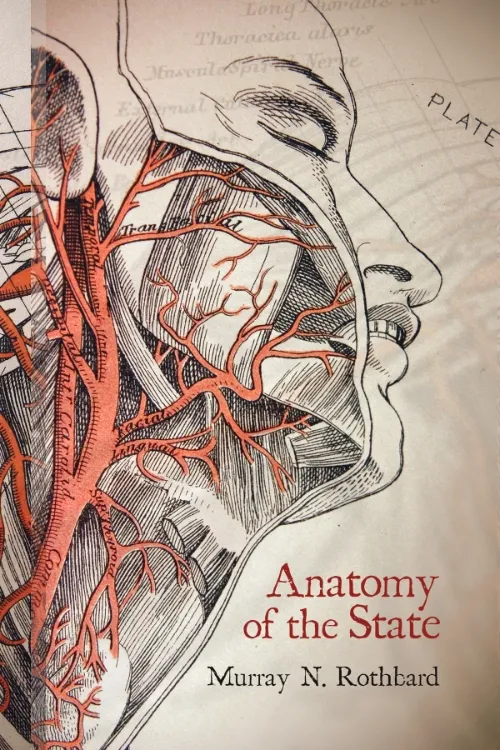
- 02.Anatomy of the StateMurray N. RothbardAudiobookENFavorite
A sharp, brief tract explaining what the state is, how it operates, and why its incentives systematically diverge from the public interest.
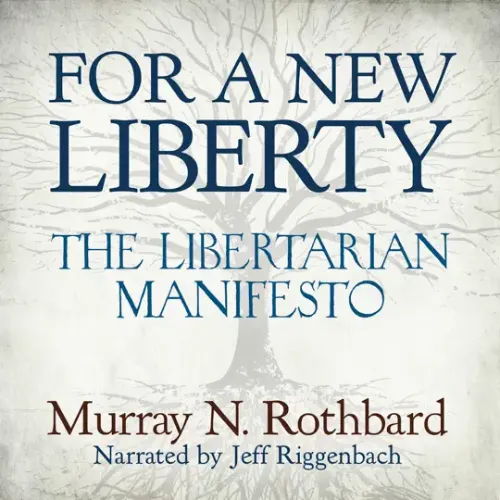
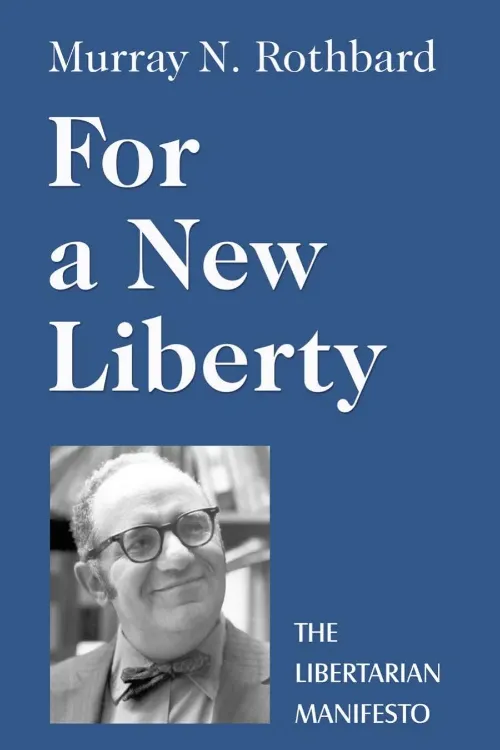
- 03.For a New LibertyMurray N. RothbardAudiobookENFavorite
An accessible, big‑picture case for libertarianism that connects principles to real‑world policy across everyday domains.
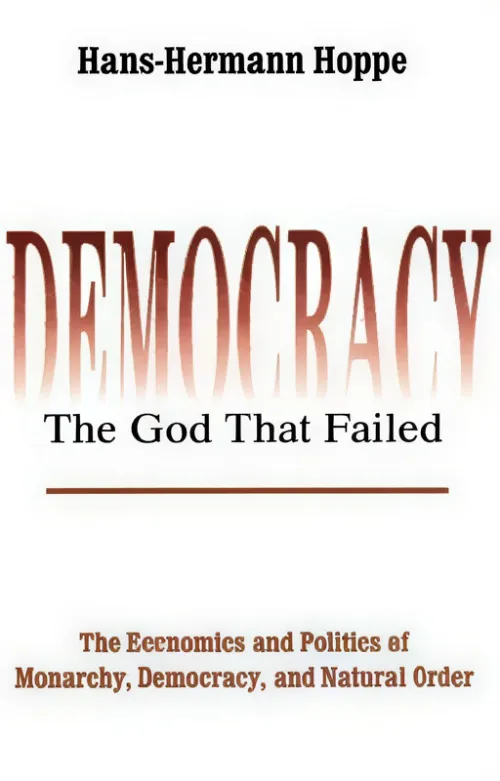
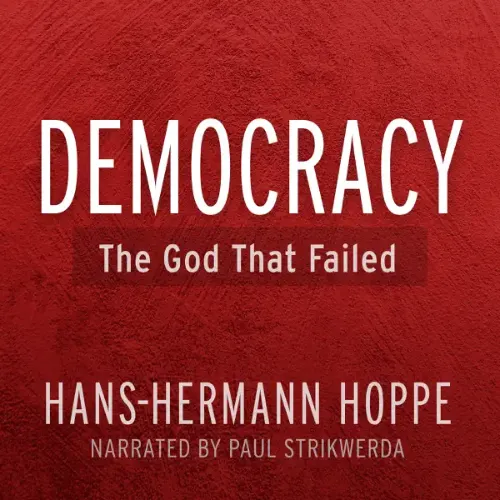
- 04.Democracy: The God that FailedHans-Hermann HoppeAudiobookENFavorite
A provocative, advanced work comparing political orders and property-right regimes that challenges mainstream assumptions and rewards prior grounding in Austrian theory.
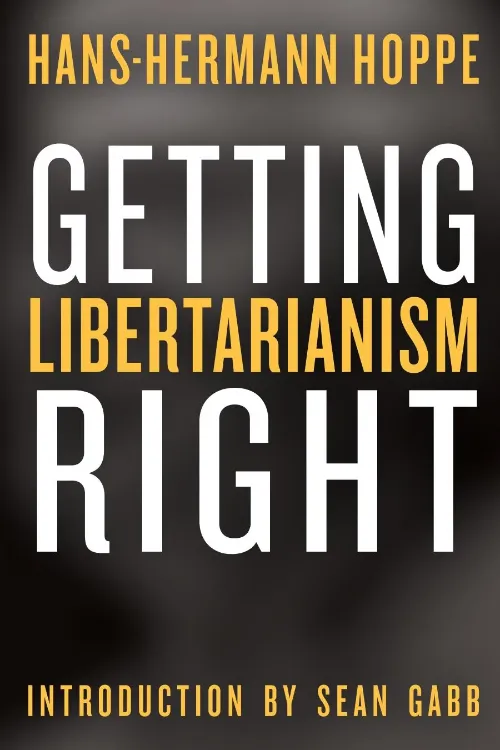
- 05.Getting Libertarianism RightHans-Hermann HoppeBookEN
A collection of lectures and essays sharpening libertarian theory and strategy, useful once you’re comfortable with core concepts.
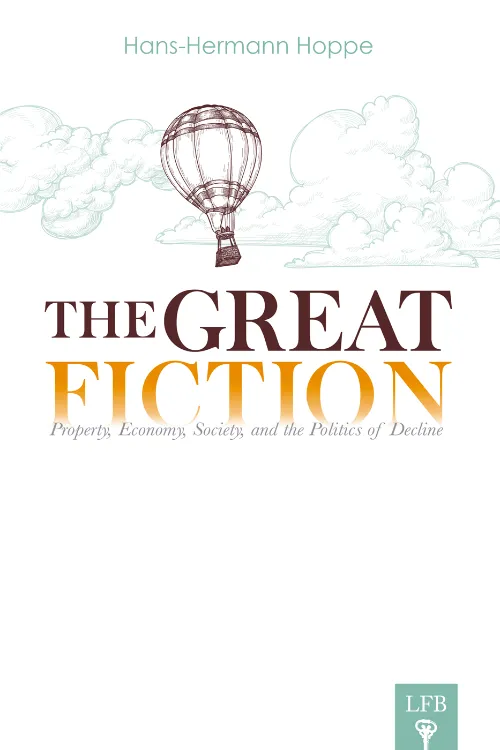
- 06.The Great FictionHans-Hermann HoppeBookEN
A concise collection of essays arguing that many prevailing economic and political narratives are myths, using Austrian theory and historical analysis to challenge common justifications for state intervention.
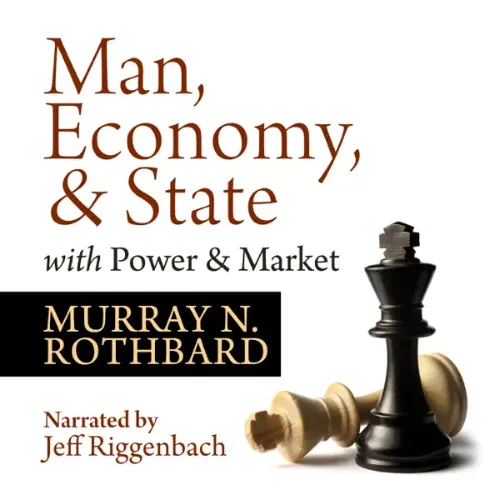
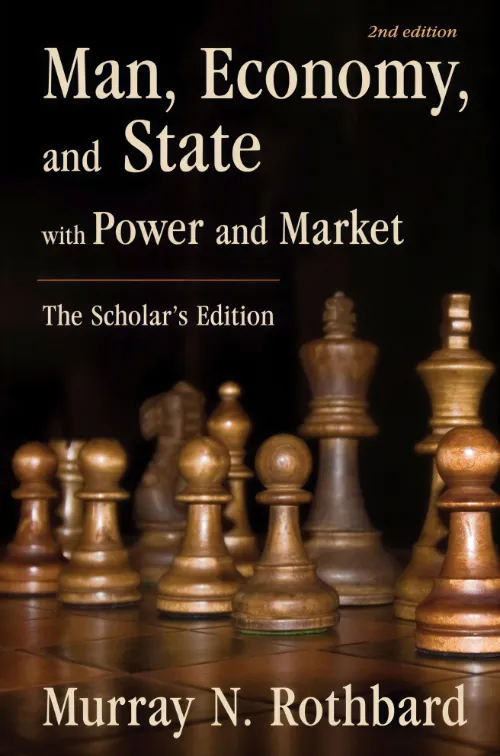
- 07.Man, Economy, and StateMurray N. RothbardAudiobookEN
A comprehensive, rigorous development of Austrian economics from first principles—best tackled after you’ve built foundational intuition.
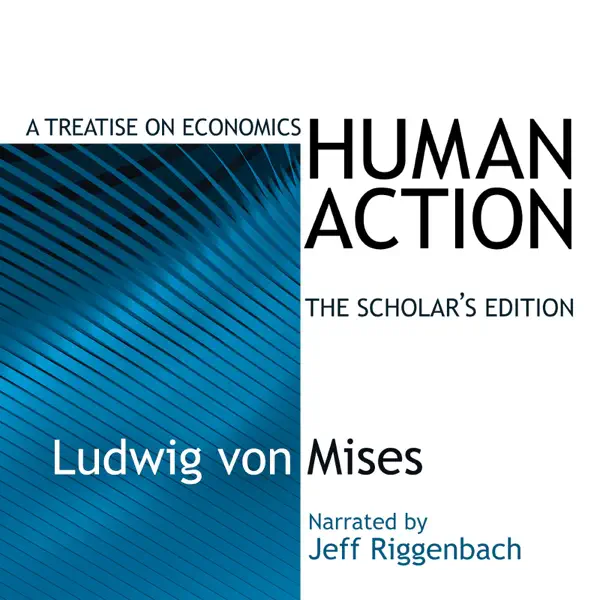
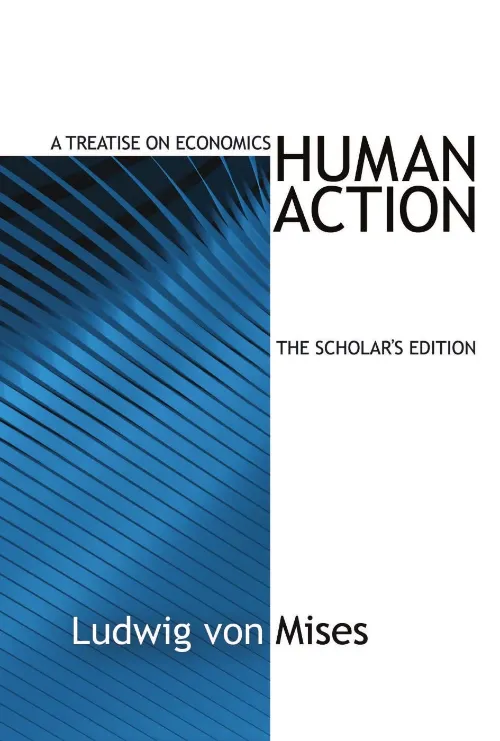
- 08.Human ActionLudwig von MisesAudiobookEN
The masterwork of Austrian economics that builds a unified, praxeological framework for understanding purposeful human behavior, market coordination, and the limits of intervention.













EVERY ANGEL IS TERRIFYING
PRAXIS
Question the historical record, and with it, the World of Reason.
Out of Frame
Foundation for Economic Education
Fantastic playlist of videos by FEE about economics and liberty.

Aethervox Ehrenfeld
Christian Schneider
Normie muss weinen.
Praxeolog Podcast
A look at different topics from a praxeological perspective.

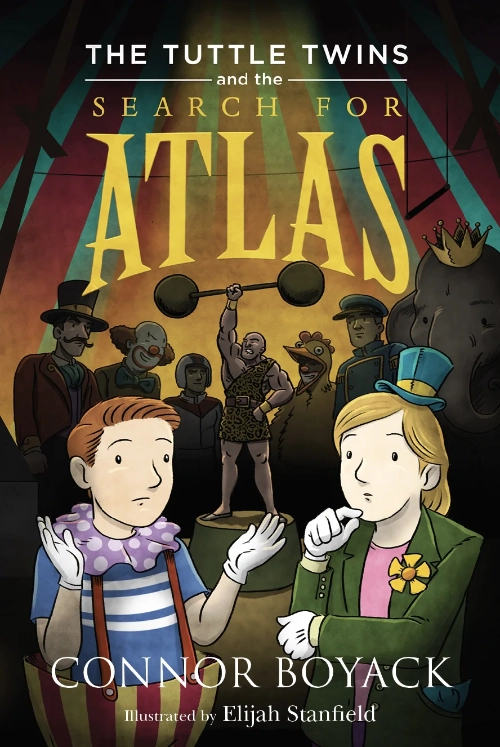
Tuttle Twins
The official channel of the Tuttle Twins show.
Free the People
Making the values of liberty entertaining, accessible, and human.
ReasonTV
Reason Magazine
Free minds and free markets. Libertarian news, views, and comedy.

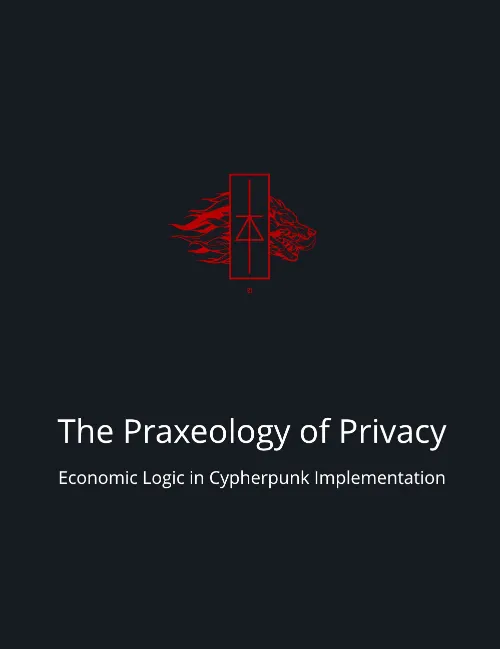
143 - Max Hillebrand: The Praxeology of Privacy
Free Cities Foundation
Timothy Allen speaks with Max Hillebrand.

The Politics of Starship Troopers
The libertarian paradise.

A private libertarian city in Honduras

Prof. Dr. Hans Hermann Hoppe: Der Staat – Feind von Ethik und Freiheit

Javier Milei: President of Argentina — Freedom, Economics, and Corruption
Lex Fridman Podcast
Publications
- Freiheitsfunken — Libertäre Glücksschmiede
- Der Sandwirt — Das Magazin des konstruktiven Widerstands.
- Atlas Initiative — Deutsche Initiative für liberale Ideen und Freiheitsdenken.
- Libertarianism.org — Cato Institute's resource for libertarian philosophy and policy.
- Free the People — Making the values of liberty entertaining, accessible, and human.
- Reason – Free Minds and Free Markets — The leading libertarian magazine covering politics, culture, and ideas.
- Foundation for Economic Education (FEE) — Making the case for freedom, free markets, and free people since 1946.
- Mises Institute — The world's leading provider of libertarian and Austrian economics education and research.
- Mises Wire — Contemporary news and opinion through the lens of Austrian economics and libertarian political economy.
Organizations
- Free Cities Foundation — The Free Cities Foundation aims to inspire, inform and connect people to create a global market of living together in Free Cities.
- Foundation for Economic Education — One of the oldest and most respected free-market organizations in the world.
- Mises Institute — The world's leading center for Austrian economics, libertarian political theory, and classical liberalism.